
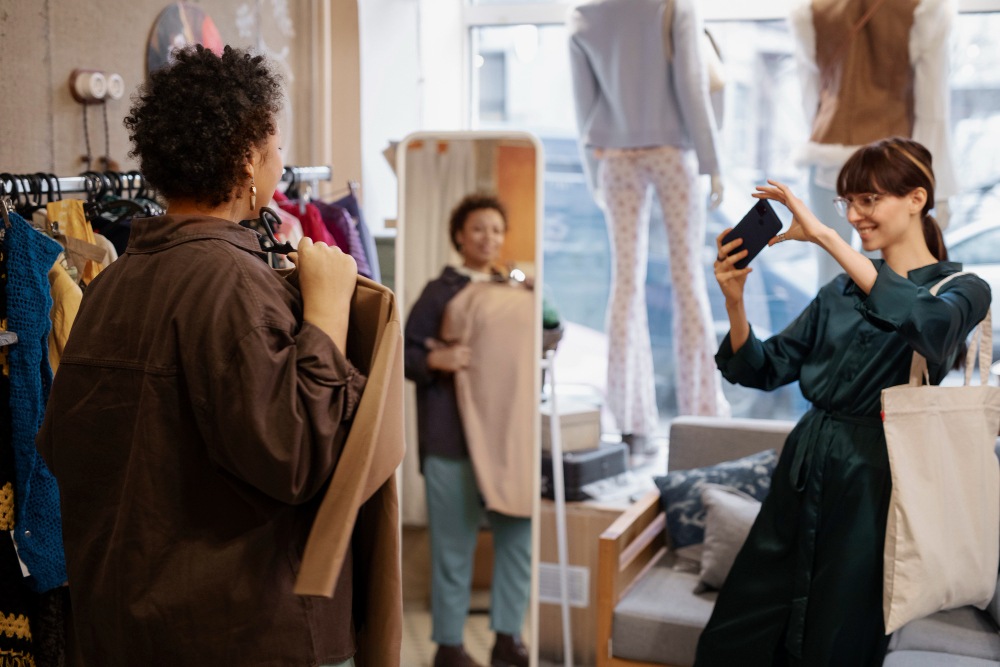
In an era dominated by algorithmic recommendations and mass manufacturing, truly personal style has become a rare currency. Discerning dressers increasingly bypass the convenience of commercial department stores and the uniform racks of fast fashion giants, turning instead to independent boutiques. These shoppers do not treat purchasing clothing as a simple transaction. To them, boutique shopping is an intentional discipline, a creative outlet, and a primary method for establishing an authentic identity.
Understanding the mindset of boutique consumers reveals how tastemakers consistently assemble memorable, cohesive wardrobes without looking like mannequins pulled from a single seasonal catalog. Their patterns, preferences, and evaluation methods offer a blueprint for anyone seeking to move away from disposable clothing culture and build a distinctive personal wardrobe.
The Search for Originality and Identity
The modern boutique shopper values distinctiveness above almost everything else. When hundreds of thousands of people can purchase identical outfits with a single click, ubiquity becomes the enemy of refined taste. Independent boutiques solve this issue by offering deliberate, tightly focused collections that reflect the unique viewpoint of an experienced curator.
- Avoiding sartorial conformity: Boutique customers take genuine pride in wearing pieces that are unlikely to appear on anyone else in the room. They intentionally seek out independent labels, regional artisans, and small-batch production runs that never reach commercial chain stores.
- Cultivating an expressive personal signature: Rather than letting marketing teams dictate seasonal aesthetics, these shoppers select clothing that fits an established personal style. They look for distinctive cuts, rare colorways, or unconventional closures that serve as conversation starters.
- Finding limited-run collections: High-end and independent boutiques often order inventory in low quantities, sometimes stocking only two or three units per size. This exclusivity ensures that an outfit remains rare and special throughout its lifecycle.
How Discerning Buyers Evaluate Craftsmanship
Savvy boutique patrons look past branding, aesthetic staging, and retail marketing to inspect the physical build of a garment. They evaluate clothing like a craftsman, assessing structural indicators that predict how a piece will look, feel, and drape over months and years of wear.
- Inspecting seam allowances and stitch density: A stylish consumer checks inside the garment to inspect raw edges. Clean French seams, bound interior edges, and high stitch counts per inch indicate durable assembly, whereas unfinished edges and loose single-thread stitching reveal rushed production.
- Evaluating fiber provenance and fabric weight: Sophisticated shoppers prioritize natural and heritage textiles, such as long-staple cotton, dense raw denim, heavyweight linen, and non-superwash wool. They assess the fabric hand, noting whether the textile has enough body to maintain its structural drape or if it feels limp and fragile.
- Checking hardware and structural details: Plastic buttons, delicate nylon zippers, and lightweight snaps reveal cheap construction. Discerning buyers favor natural materials like horn, corozo nut, mother-of-pearl, or solid brass, appreciating garments where small details receive thoughtful attention.
- Verifying pattern alignment across cuts: Across patterned fabrics like plaids, checks, and stripes, skilled shoppers check whether lines match horizontally across side seams, chest pockets, and shoulder yokes. Proper pattern alignment requires generous fabric consumption and precision cutting, both hallmarks of superior apparel.
The Value of Retailer Relationships
One distinctive characteristic of boutique shopping is the collaborative relationship between the buyer and the store owner or sales staff. In massive retail stores, sales representatives function primarily as stockers or cashiers. In specialized boutiques, staff act as passionate stylists, brand historians, and trusted sounding boards.
Frequent boutique shoppers take time to build relationships with boutique staff. Over time, proprietors learn their customers’ lifestyle requirements, sizing quirks, preferred fabric weights, and color palettes. These relationships unlock notable advantages. Shop owners often contact their regular clients before collections hit public sales floors, set aside rare pieces, or special-order non-standard sizes directly from the atelier.
Furthermore, boutique staff provide unfiltered feedback. While mass-market retail employees are often trained to push high volumes, boutique owners recognize that honest advice builds long-term customer loyalty. If a cut does not flatter the shopper or a silhouette clashes with their existing wardrobe, an attentive boutique owner will advise against the purchase, protecting both the customer’s investment and the store’s reputation.
Intentional Consumption Over Disposable Trends
Boutique shoppers approach fashion through the lens of curation rather than consumption. Rather than purchasing dozens of low-cost items every season to keep up with viral trends, they invest in fewer, higher-quality garments designed to endure.
- Practicing low-frequency, high-impact buying: Stylish consumers visit boutiques with patience. They are comfortable leaving a shop empty-handed if nothing aligns with their current wardrobe architecture, waiting instead for genuine standouts that fulfill a distinct role.
- Evaluating cost through lifespan: These shoppers evaluate purchases using longevity calculations rather than the initial retail price. An artisanal wool jacket that costs six hundred dollars and wears well across a decade of use offers superior financial and aesthetic value compared to a cheap alternative replaced annually.
- Selecting adaptable styles: While boutique shoppers appreciate bold accent pieces, they also rely on independent stores for impeccably cut daily staples. They buy foundational pieces that transition easily between professional settings, relaxed weekends, and social gatherings.
The Sensory Dimension of Physical Retail Spaces
While e-commerce provides convenience, stylish shoppers continue to prioritize physical boutique visits because clothing remains an intensely tactile medium. Digital screens flatten textures, alter true colors, and fail to convey the dynamic drape of fabric in motion.
Walking into a curated boutique provides a sensory environment that algorithmic digital feeds cannot reproduce. Boutique shoppers appreciate thoughtful interior architecture, subtle environmental scents, curated playlists, and tactile rack displays. Stepping into a boutique feels like entering a private design gallery where garments are given room to breathe rather than being crammed onto tight wire hangers.
Trying clothes on within this quiet setting provides immediate feedback. Shoppers inspect how armholes move with their shoulders, whether pants pull across the seat when sitting, and how a textile reacts to body heat. This physical immersion prevents the costly cycle of online returns, bad fits, and synthetic fabrics that look striking in studio photos but feel stiff and unbreathable in daily wear.
Supporting Local Economies and Ethical Production
A growing factor shaping modern boutique shopping habits is a commitment to responsible, ethical consumption. Discerning customers recognize that ultra-fast fashion comes with heavy environmental damage and exploitative labor practices. By choosing independent boutiques, they actively participate in an alternative retail model.
Independent retailers frequently champion small, family-owned makers, ethical regional workshops, and transparent supply chains. Shoppers take satisfaction in knowing their money supports independent entrepreneurs, creative directors, patternmakers, and local business districts. This ethical awareness turns purchasing clothing into a statement of values, connecting the customer directly to the people and craft traditions behind their garments.
Frequently Asked Questions
How should a beginner identify high-quality independent boutiques when visiting a new city?
Explore walkable neighborhoods with independent art galleries, specialty coffee shops, and local bookstores, as these areas often attract creative boutique owners. Pay attention to store window merchandising: boutiques with cohesive viewpoints display a few thoughtfully styled garments rather than overcrowded racks of promotional signage.
What questions should a shopper ask boutique staff to learn more about a garment?
Ask about where the fabric was milled, which workshop assembled the garment, and how the sizing generally runs relative to standard sizing. Inquire whether the designer produces in seasonal limited batches, and ask the staff for their personal care tips to maintain the textile over time.
How do stylish shoppers budget effectively for higher boutique prices?
They maintain a strict wardrobe reserve fund, redirecting small amounts that might otherwise go toward impulse purchases or fast-fashion hauls into a dedicated account. By planning major wardrobe additions around seasonal transitions, they purchase one or two exceptional pieces each season without exceeding their overall annual budget.
Can individuals with petite or plus-size body types find adequate sizing in independent boutiques?
Yes, though it requires some research. Many contemporary boutique designers embrace extended sizing or produce relaxed silhouettes with thoughtful drape that accommodate diverse body structures. Many independent boutiques also work directly with designers to order custom lengths or extended sizes upon request.
Is it acceptable to browse a luxury boutique without buying anything?
Yes, thoughtful boutique owners understand that shopping for high-quality items requires careful consideration. Treat the environment and garments with care, interact politely with the staff, and be honest if you are browsing to understand a designer’s cuts and fabrics before committing.
What is the most effective way to care for delicate, small-batch boutique clothing?
Avoid automated high-heat laundry cycles, which degrade fibers and distort construction. Wash pieces in cold water on gentle cycles, use specialized mild detergents formulated for natural fibers, air-dry garments on flat drying racks, and use a handheld fabric steamer instead of a direct dry iron.
How can someone transition away from fast fashion toward boutique shopping without overspending?
Start by replacing only your most frequently worn foundation pieces, such as everyday denim, a core coat, or versatile boots, with higher-end boutique alternatives. As cheap garments wear out, replace them intentionally with durable, well-made staples one item at a time.