
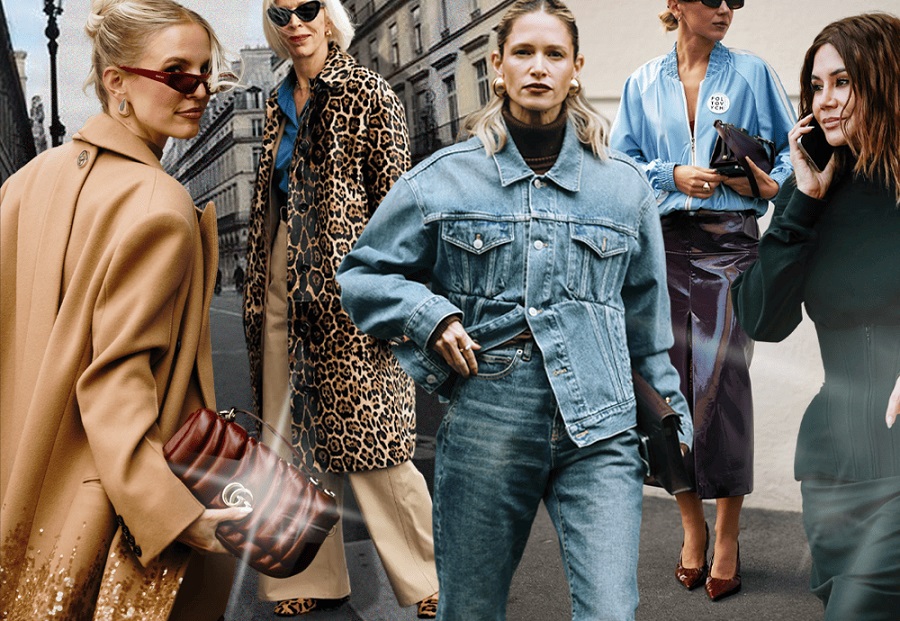
Fashion trends and personal style exist in a dynamic, continuous conversation. While trends represent the collective mood, commercial output, and aesthetic movements of a specific moment, personal style reflects individual identity, lifestyle, and visual taste. In the past, trends were handed down rigidly through exclusive fashion houses and print editorial boards. Today, the relationship is reciprocal, decentralized, and faster than ever.
Understanding how current trends shape the way individuals dress daily is essential for anyone seeking to build an authentic wardrobe. Rather than blindly submitting to every micro-trend or rigidly rejecting modern influences, stylish individuals use prevailing trends as raw material to refine, refresh, and redefine their self-expression.
The Evolution of Trend Dissemination
The mechanics of how trends reach the public have fundamentally shifted over the last two decades. The traditional trickle-down theory posited that fashion began on the runways of Paris, Milan, and New York, was interpreted by high-end department stores, and eventually filtered down to mass-market retailers for general consumption.
While runway presentations still set important artistic anchors, modern trends frequently travel in reverse or emerge unpredictably from street culture.
- Bottom-Up Influence: Subcultures, vintage enthusiasts, and hyper-local street aesthetics regularly bubble up to inspire luxury designers. Skateboarding culture, workwear, and athletic utility gear all migrated from practical, everyday environments onto international runways.
- Algorithmic Acceleration: Digital platforms have compressed trend cycles from multi-year eras down to multi-week micro-moments. Algorithms amplify specific aesthetics rapidly, exposing millions of dressers to niche styling formulas simultaneously.
- Decentralized Trendsetters: Influence no longer belongs exclusively to fashion editors or celebrity stylists. Creators, musicians, and everyday dressers worldwide now spark widespread wardrobe shifts simply by demonstrating novel ways to wear existing garments.
Trends as an Evolving Visual Vocabulary
To dismiss trends entirely is to ignore the language of the present. Fashion trends offer a snapshot of current technological abilities, economic conditions, and cultural values. When individuals selectively incorporate new silhouettes, colors, or textures, they are participating in the visual dialogue of their generation.
- Expanding Comfort Zones: Trends encourage people to experiment with silhouettes they might otherwise avoid. The transition from rigid skinny jeans to relaxed, wide-leg trousers over the past decade pushed many people to reconsider balance, proportion, and comfort in their daily outfits.
- Reinterpreting Classic Staples: Trends breathe fresh vitality into timeless pieces. A classic navy trench coat, an oversized white button-down, or standard leather loafers constantly take on new life based on how modern styling pairs them with contemporary cuts.
- Reflecting Cultural Moods: Periods of economic optimism often herald vibrant color palettes and daring design details, whereas moments of cultural stress frequently produce minimalist, utilitarian, or protective apparel. Adopting certain elements allows an individual to align with the ambient mood of the era.
The Friction Between Individuality and Commercial Homogeneity
While trends introduce novel ideas, they also carry the risk of aesthetic conformity. Fast production schedules and hyper-targeted advertising often push consumers into wearing uniform looks, diluting authentic individuality.
Discerning dressers navigate this tension by treating trends as optional accents rather than comprehensive instructions.
- The Trap of Total Adoption: Wearing head-to-toe trends without adjusting for personal taste results in an outfit that wears the person rather than the other way around. It creates a costume-like appearance that quickly looks dated once the hype subsides.
- The Value of the Eighty-Twenty Rule: A time-tested guideline among seasoned stylists is maintaining an eighty-percent foundation of personal, timeless staples, leaving twenty percent of wardrobe space open for playful, trend-driven items.
- Preventing Wardrobe Burnout: Constantly pursuing every passing micro-aesthetic leads to closet clutter, decision fatigue, and financial waste. Identifying which trends actually resonate with your core values protects your sense of personal coherence.
The Role of Nostalgia and Archival Revival
One of the most powerful engines driving modern fashion trends is nostalgia. The fashion calendar operates on roughly twenty-year revival loops, pulling past eras back into the spotlight for modern audiences to reinterpret.
Modern consumers do not merely copy previous decades; they remix them with modern sensibilities.
- Contextual Reinterpretation: When styles from the late nineties or early two-thousands resurface, contemporary dressers pair those vintage aesthetics with modern tailoring and updated materials. This hybrid approach keeps archival styles looking fresh rather than like theatrical period costumes.
- Democratization of Vintage Sourcing: The rise of online resale markets and vintage marketplaces allows dressers to source original, well-crafted pieces from past eras rather than relying exclusively on low-quality fast-fashion reproductions.
- Generational Dialogue: Younger generations adopt historical aesthetics to rebel against the dominant styles of their immediate predecessors, establishing an identity distinct from the generation directly before them while paying homage to deeper subcultural roots.
Fabric, Technology, and Sustainable Production Shifts
Trends extend far beyond aesthetics; they also encompass material advancements and shifting production philosophies. Today, some of the most influential macro-trends center on textile technology and responsible consumption.
- Rise of Performance Textiles: Technical materials once restricted to mountaineering and professional sports have integrated smoothly into everyday civilian wear. Moisture-wicking wools, stretch-infused weaves, and weather-resistant membranes now dominate elevated casual dress.
- Emphasis on Fiber Authenticity: As public awareness around environmental degradation increases, natural fibers like organic cotton, heavy linen, and untreated wool have surged in cultural relevance. Consumers increasingly view high-quality natural textures as the ultimate markers of taste.
Celebration of Visible Repair: The trend toward upcycling, patchwork, and customized tailoring reflects a shift toward cherishing garment longevity. Mending and altering pieces gives items a one-of-a-kind narrative that factory-new garments cannot replicate.
Integrating Trends Into an Authentic Personal Style
Developing an enduring personal style does not mean isolating yourself from current culture. It means developing a reliable filter through which all external trends must pass before entering your closet.
- Identify Functional Compatibility: Before buying into a trendy cut or fabric, ask whether it serves your actual daily life. If a runway trend involves delicate lace, but your daily reality involves physical commuting and outdoor activity, that trend is best enjoyed from afar.
- Filter Through Color and Silhouette: If a trend introduces a neon palette that clashes with your warm, earthy wardrobe, pass on the color while observing whether the silhouette itself can be adapted in a shade that suits you.
- Focus on Small Touches: Trends are easiest and most cost-effective to adopt through minor styling tweaks. Rolling sleeves in a different manner, trying an unconventional sock length, or incorporating a modern belt shape updates an outfit without requiring an entire closet overhaul.
Frequently Asked Questions
What is the fundamental difference between a fashion trend and a personal style?
A fashion trend is an external, temporary aesthetic pattern embraced by the apparel market and popular culture for a limited period. Personal style is an internal, lasting creative framework developed by an individual to communicate their unique identity, preferences, and lifestyle across years.
How can someone tell if a trend will become a classic staple or vanish quickly?
Look at utility, simplicity, and construction. Trends that solve practical problems, flatter human anatomy, and blend easily with existing staples—such as relaxed tailoring or trench coats—usually endure. Highly ornate, uncomfortable, novelty-driven items reliant on internet memes generally vanish within months.
Can adopting trends damage the development of authentic personal style?
Yes, if trends are accepted without critical evaluation. Relying exclusively on prepackaged trend formulas prevents you from discovering what fabrics, silhouettes, and color stories make you feel confident and comfortable in your own skin.
How does economic uncertainty typically influence mainstream fashion trends?
Economic downturns historically favor minimalism, neutral color palettes, practical workwear, and durable garments, often referred to as quiet luxury or functional classicism. In contrast, periods of booming prosperity tend to encourage maximalist silhouettes, ostentatious branding, and vivid, high-saturation color stories.
What is the most sustainable approach to participating in modern fashion trends?
Shop secondhand first to discover archival pieces that fit the aesthetic, participate in garment swaps with friends, or rent statement pieces for specific events. When purchasing new, buy high-grade versions from independent brands that will hold structural value even after the trend peaks.
Why do certain retro fashion trends feel more appealing to younger generations who did not live through them?
Younger generations experience retro aesthetics as entirely new visual concepts rather than nostalgia. Without the practical memories or cultural fatigue associated with the original era, they can recontextualize the garments with artistic curiosity and fresh creative pairings.
How can you update an outfit using modern trends without spending significant money?
Focus on styling adjustments rather than new purchases. Experiment with new proportions by tucking garments differently, layering existing pieces in unexpected combinations, swapping laces on older footwear, or taking older trousers to a local tailor to adjust hemlines and leg widths.