
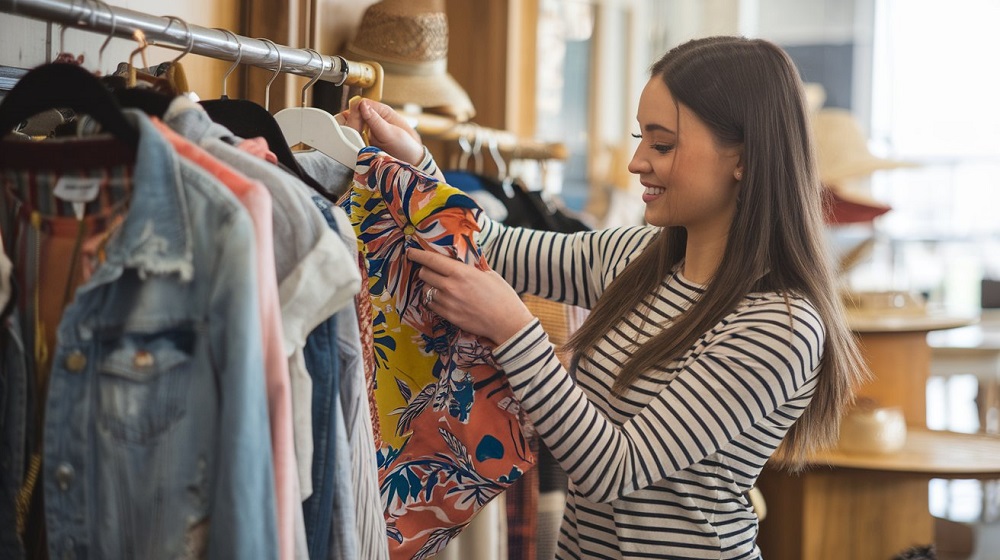
Building a practical, versatile wardrobe does not require an unlimited budget. It requires a clear strategy, a grounded understanding of garment construction, and the discipline to ignore short-term marketing noise. Whether shopping on an entry-level budget or investing in high-end staples, making conscious purchases ensures that every dollar spent translates into regular use rather than closet clutter.
Most wardrobe mistakes happen when consumers buy out of habit, boredom, or sales pressure rather than genuine need. Shifting toward intentional wardrobe curation transforms how you evaluate value, style, and fabric quality across every tier of retail.
Auditing What You Already Own
Before spending any money on new clothes, the most critical step is evaluating what already hangs in your closet. Shopping without taking inventory leads to duplicate purchases, mismatched outfits, and wasted resources.
- Categorize your clothing: Divide your wardrobe into everyday essentials, workwear, occasional dress wear, and lounge clothes. Identify which categories you reach for constantly and which sit untouched.
- Identify gaps and duplicates: Take note of patterns. If you own seven gray crewneck sweatshirts but lack a weather-appropriate outer layer, your budget must address that missing element first.
- Assess fit and condition: Try on pieces you have not worn in six months. Donate or sell garments that no longer fit comfortably. Set aside pieces that need simple alterations or basic repairs, such as missing buttons or loose hems.
- Build a concrete shopping list: Treat clothing runs like grocery store visits. Maintain a written list of specific items you need to complete functional outfits. If an item is not on your list, walk away.
Evaluating Garment Quality Across All Price Tiers
Price tags do not always indicate longevity. Fast fashion brands often charge premiums for synthetic blends, while thrift stores and discount retailers regularly stock durable, well-made garments. Learning to inspect clothing construction helps you make smart decisions regardless of price.
- Check the fabric composition: Natural fibers like cotton, wool, linen, and silk breathe better and generally age more gracefully than cheap synthetic fibers like acrylic or non-breathable polyester. Look for tightly woven textiles with weight and structure.
- Examine the seams: Pull gently along the outer seams of a garment. If the threads spread apart or the stitching pulls loose under minimal tension, the garment will unravel quickly in the wash. Double-stitched hems and flat-felled seams indicate higher durability.
- Inspect closures and hardware: Metal zippers move smoother and last longer than thin nylon zippers. Buttons should be securely anchored with tight thread shanks, and buttonholes must have dense, finished edges without loose threads.
- Look at the pattern matching: On patterned fabrics such as stripes, plaids, or houndstooth, check whether the pattern aligns across the side seams and pockets. Mismatched patterns signal cut corners during manufacturing.
The Mathematics of Cost Per Wear
A common budget trap is assuming that cheaper up-front pricing always saves money. A fifteen-dollar shirt that shrinks, twists, and falls apart after three laundry cycles costs five dollars per wear. A seventy-five-dollar shirt that holds its shape and color through one hundred wears costs seventy-five cents per wear.
Calculate cost per wear by dividing the retail price of the garment, including tailoring or cleaning costs, by the estimated number of times you will wear it over its lifespan.
Apply this formula to your shopping habits by prioritizing investment in high-frequency garments. Items like winter coats, everyday denim, daily work trousers, and comfortable walking shoes justify a higher initial investment. Reserve budget and discount shopping for seasonal accent pieces, trend-focused accessories, or garments intended for rare, single-event usage.
Smart Shopping on a Modest Budget
When working with tight financial boundaries, discipline and patience produce the best results. You can find durable, attractive clothing at minimal expense by exploring alternative shopping channels and keeping clear criteria in mind.
- Utilize thrift stores and consignment shops: Secondhand stores are exceptional for sourcing natural fabrics like pure wool coats, leather belts, and heavyweight cotton shirts. Focus on wealthier neighborhood thrift shops or dedicated vintage retailers that curate their selections carefully.
- Browse secondhand online marketplaces: Platforms specializing in peer-to-peer apparel sales let you filter by brand, size, material, and condition. If you already know your sizing in a reliable, well-constructed brand, search specifically for those labels to acquire quality goods at a fraction of retail.
- Avoid micro-trend traps: Ultra-fast fashion operates on weekly trend cycles designed to make consumers feel outdated immediately. Stick to classic cuts, clean silhouettes, and neutral color foundations that remain relevant year after year.
- Plan around seasonal clearance windows: Retailers clear seasonal inventory during predictable months. Buy heavy winter outerwear in late January or February, and purchase warm-weather essentials in July and August when stores slash prices to make room for incoming lines.
Strategic Spending on a Mid-Range Budget
A mid-range budget provides flexibility to balance durability, modern styling, and ethical manufacturing. The goal at this level is curating a modular, interchangeable wardrobe without overpaying for designer brand prestige.
- Focus on a cohesive color palette: Choose two or three neutral base colors like navy, charcoal, black, camel, or olive, supplemented by two accent shades that flatter your skin tone. When every top matches every bottom, twenty pieces create dozens of distinct outfits.
- Invest in professional tailoring: Off-the-rack garments are patterned to fit general body averages. Taking a sixty-dollar pair of trousers to a local tailor for a fifteen-dollar hem and waist adjustment makes the garment look custom-made and significantly elevates your overall presentation.
- Sign up for targeted retailer alerts: Create an email address dedicated entirely to retail notifications. Track seasonal promotional codes and private sales for your favorite mid-tier brands. Never purchase at standard retail price if the brand runs predictable twenty to thirty percent off sales every quarter.
- Prioritize staple items over volume: Instead of buying five mediocre tops during a weekend sale, allocate that identical budget toward one well-cut, high-density cotton oxford or a durable wool knit. A lean closet of reliable staples streamlines daily preparation and lowers daily decision fatigue.
Intentional Allocation on an Elevated Budget
Having greater disposable income does not justify reckless spending. At higher budgets, prioritize provenance, artisanal craft, made-to-measure tailoring, and repairable materials that last decades.
- Seek out heritage and independent makers: Look for independent workshops, small-batch manufacturers, and historic brands known for transparent sourcing and repair programs. Choose footwear built with Goodyear welt or Blake stitch construction, which allows cobblers to replace worn soles indefinitely.
- Opt for custom or made-to-measure tailoring: When purchasing suits, formalwear, or heavy overcoats, invest in made-to-measure options. Custom garments eliminate fit compromises, maximize comfort, and drastically reduce fabric strain from poor posture or restricted movement.
- Scrutinize luxury brand marketing: Many traditional luxury fashion houses now outsource manufacturing while using polyester and nylon blends under the guise of technical fabric. Check the inner tags carefully. Never pay luxury prices for synthetic fibers or visible brand logos.
- Focus on care, maintenance, and storage: Preserve valuable investments with proper garment care. Use wide cedar hangers for wool suits and coats to preserve shoulder shape and deter pests. Hand-wash or use gentle cold cycles for delicate textiles, avoid high-heat tumble drying, and use wooden shoe trees for full-grain leather footwear.
Common Shopping Traps to Avoid
Even seasoned shoppers fall victim to retail psychology. Keeping these behavioral pitfalls in mind keeps your budget secure and your wardrobe coherent.
- Buying an item solely because it is marked down: An eighty-dollar garment discounted to thirty dollars does not save you fifty dollars if you never wear it. It wastes thirty dollars. Evaluate an item based on its utility and fit, not the size of its markdown sticker.
- Purchasing for an aspirational future self: Never buy clothes that are two sizes too small with the intention of slimming into them, nor formal items for a lifestyle you do not currently lead. Buy clothing that serves your actual daily schedule, your current body shape, and your current comfort requirements.
- Settling on poor fit: If a garment pulls across the chest, bunches awkwardly around the shoulders, or restricts your natural stride, do not buy it thinking you will get used to it. Uncomfortable clothes stay in the closet regardless of how attractive they look on the hanger.
- Impulse shopping to relieve stress: Retail therapy provides a momentary spike in mood followed by buyer remorse. Enforce a mandatory forty-eight-hour waiting rule on non-essential purchases. If the desire fades after two days, you prevented an unnecessary expense.
Frequently Asked Questions
How should someone determine their personal clothing style before shopping?
Document what you wear comfortably over a two-week period. Take photos of your daily outfits and note the common denominators in silhouette, fabric, and color. Collect visual references of outfits you admire and identify recurring themes, such as minimalist structures or classic workwear, to guide future purchasing decisions.
What is the ideal percentage of income to allocate toward clothing expenses?
Financial planners generally recommend allocating between two to five percent of your net take-home pay toward apparel and footwear. This percentage should cover new purchases, professional tailoring, routine cobbler work, and dry cleaning. Staying within this window prevents lifestyle inflation while maintaining a sharp appearance.
How can a buyer verify whether vintage or secondhand leather is in good condition?
Examine the leather for deep surface cracking, dry rot, and mold odor. Surface scuffs and minor patina can easily be conditioned and polished, but leather that has dried out to the point of brittle, web-like cracking cannot be restored to structural integrity. Also check that internal linings and heavy-duty pocket zippers remain intact.
How often should natural wool knitwear be washed to maximize its lifespan?
Wool fibers possess natural antimicrobial properties that resist body odors and repel surface moisture. Unless stained, wool sweaters only require washing once or twice per season. Air them out on a flat drying rack after wearing, spot-clean small spills, and use a fabric comb to remove surface pilling as needed.
Which wardrobe items are rarely worth buying at full retail price?
Seasonal fashion accessories, holiday-themed garments, formal evening gowns, and branded athletic wear are rarely worth full retail price. These categories follow aggressive promotional markdowns, hit factory outlets rapidly, or appear in like-new condition on secondhand platforms after minimal use.
When does it make financial sense to pass on an alteration?
Pass on an alteration if the garment requires adjustments across the shoulders, structural restructuring through the chest canvas, or extensive resizing greater than two full sizes. Complex alterations easily exceed the original value of the garment and frequently distort the proportions and balance of the design.
How does proper fabric storage extend clothing longevity between seasons?
Clean all garments thoroughly before storing them to prevent trapped oils and food residues from attracting insects or causing permanent discoloration. Store woven garments in breathable canvas garment bags rather than plastic dry-cleaning covers, and fold heavy knitwear flat inside ventilated cotton containers to avoid stretching out the seams.