
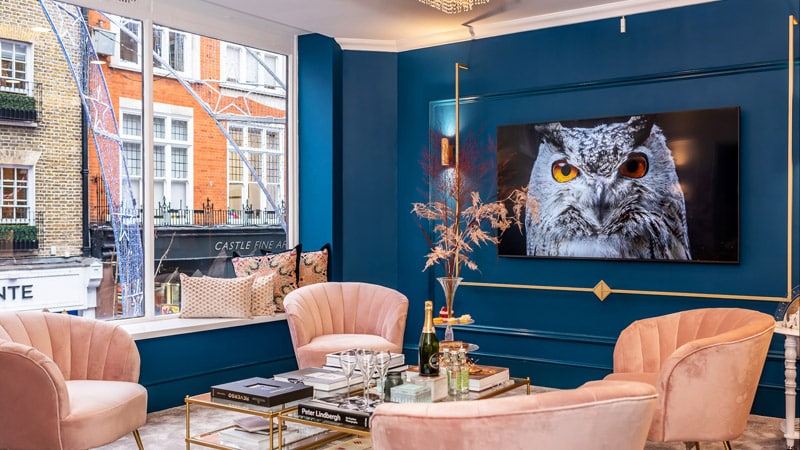
In the modern retail landscape, boutiques are no longer simply charming local shops—they are becoming curated ecosystems of design, emotion, and exclusivity. As fashion becomes increasingly digitized and consumer expectations evolve, a successful boutique must evolve beyond traditional models to deliver exceptional value and unforgettable experiences. This article explores advanced strategies for boutique owners ready to reposition their business for longevity, luxury, and loyalty.
Crafting a Distinctive Brand DNA
A boutique’s success starts with brand DNA—the emotional and visual fingerprint that differentiates it from mainstream retailers. It’s not just about logo design or store layout; it’s about defining a deep-rooted identity that influences every decision.
1. Define an Emotional Core
Modern shoppers buy meaning, not just merchandise. Identify what your boutique stands for emotionally—whether it’s slow luxury, avant-garde artwear, or cultural storytelling. This core message should shape your aesthetic, tone, and customer interactions.
2. Establish Visual Consistency
Consistency is the silent architect of trust. Your color palette, typography, music, and even scent in-store should mirror your digital presence. For example, if your online store embodies minimalism, your physical boutique should echo the same clean sophistication.
3. Translate Vision into Touchpoints
Every touchpoint—shopping bags, business cards, receipts, social captions—must carry your boutique’s DNA. When done well, it turns every small detail into a brand ambassador that extends the boutique experience beyond the store.
Curation as a Competitive Art
A boutique thrives on curation, not volume. The products you choose tell your story. To remain relevant, boutique owners must master strategic exclusivity—balancing novelty, cohesion, and scarcity.
1. Develop a Narrative-Driven Collection
Think of each season as a chapter in an ongoing story. Don’t just stock items—create a narrative arc where every piece contributes to a theme or mood. This transforms shopping into an editorial experience.
2. Incorporate Micro-Capsule Drops
Instead of relying solely on large seasonal collections, introduce micro-capsule releases—limited-edition or collaborative drops that generate anticipation and urgency. This strategy sustains interest and reinforces your boutique’s exclusivity.
3. Blend Global and Local Artistry
Sourcing globally while promoting local craftsmanship adds cultural depth to your boutique. Pair Parisian silhouettes with locally hand-dyed fabrics or accessories made by regional artisans. This dual approach adds authenticity and storytelling potential.
Building a Sensory Retail Environment
A high-end boutique experience transcends visuals—it’s multi-sensory. In an age where e-commerce dominates, physical stores must deliver sensations the screen cannot replicate.
1. Use Spatial Storytelling
Design your store layout as a journey rather than a grid. Begin with a “reveal” moment—perhaps a signature piece at the entrance—and lead customers through themed zones. The spatial narrative enhances dwell time and emotional connection.
2. Implement Sensory Branding
Engage all five senses to create an unforgettable ambiance.
-
Sight: Curated lighting that enhances textures and color palettes.
-
Sound: Ambient playlists curated to match your aesthetic.
-
Smell: Signature scents that become a brand identifier.
-
Touch: Textured materials—velvet hangers, linen curtains, silk ribbons.
-
Taste: Offer boutique-specific refreshments, such as artisanal teas or mocktails.
3. Create Private Zones
Designate areas for private fittings or styling consultations. This transforms shopping into an intimate experience, catering to high-value clients who prioritize privacy and personalization.
Technology as a Boutique Amplifier
Far from replacing intimacy, technology can enhance boutique-level personalization. Strategic use of digital tools enables deeper engagement without losing authenticity.
1. Smart Inventory and Data Insights
Adopt integrated systems that track purchasing trends, client preferences, and seasonality. Use these insights to forecast demand, personalize recommendations, and minimize overstocking.
2. AR and Virtual Styling
Augmented reality (AR) allows clients to visualize looks remotely, creating a seamless omnichannel bridge. For instance, clients can preview how a designer jacket pairs with existing wardrobe items before visiting the store.
3. Exclusive Membership Apps
Develop boutique-specific mobile apps offering appointment scheduling, early-access drops, and loyalty rewards. This transforms your boutique into a lifestyle club rather than a simple store.
Sustainable Luxury and Boutique Ethics
Modern luxury is synonymous with responsibility. Customers are increasingly aware of how and where their products are made. A forward-thinking boutique integrates ethical practices into its brand ethos.
1. Source Transparently
Work directly with ethical suppliers, highlighting your commitment to transparency. Label each piece with its material origin or artisan background to connect clients with the story behind the product.
2. Introduce Circular Models
Offer services such as garment repair, restyling, or resale programs for loyal clients. This creates long-term engagement while promoting sustainable fashion behavior.
3. Communicate Values Authentically
Avoid greenwashing. Instead of loud eco-claims, let your daily actions speak—whether through biodegradable packaging, fair wages, or limited runs. Discerning customers recognize genuine integrity.
Personalization as the New Luxury
The future of boutiques lies in individualized service. Beyond products, people crave recognition and relevance.
1. Tailored Experiences
Use customer profiles to anticipate needs—preferred designers, sizing, or upcoming events. Send personalized recommendations or invite clients to exclusive previews that match their taste.
2. Memory-Driven Clienteling
Empower your staff with memory-based engagement. Remember a client’s last purchase, their birthday, or travel plans. A personal note or styling suggestion makes them feel seen and valued.
3. Private Styling and Trunk Shows
Host intimate trunk shows with limited guests, allowing them to preview new collections privately. This positions your boutique as an insider destination rather than a public storefront.
Boutique as Cultural Hub
Today’s most successful boutiques aren’t just retail spaces—they are creative hubs that cultivate community, collaboration, and conversation.
1. Host Experiential Events
Curate events such as artist showcases, fashion salons, or fragrance tastings. These interactions foster loyalty and word-of-mouth marketing that money can’t buy.
2. Collaborate with Local Creatives
Invite local designers, photographers, and stylists to co-create installations or pop-up displays. This builds cultural relevance and embeds your boutique into the local creative ecosystem.
3. Build a Lifestyle Narrative
Extend your influence beyond clothing. Offer select lifestyle products—art books, ceramics, niche perfumes—that reinforce your aesthetic. This turns your boutique into a holistic expression of taste.
The Boutique of the Future
The boutique of the future is not defined by square footage but by meaningful engagement. It’s a hybrid model of artistry, technology, and intimacy. It thrives on storytelling, exclusivity, and emotional resonance. Boutique owners who embrace this evolution will not only survive but lead the next era of experiential luxury retail.
Frequently Asked Questions (FAQ)
1. How can boutique owners maintain exclusivity in a digital age?
By limiting inventory, offering invite-only online access, and emphasizing craftsmanship over mass availability.
2. What’s the best way to merge e-commerce with in-store experience?
Create a unified identity—same aesthetic, pricing, and tone. Encourage online shoppers to book in-store styling sessions for full immersion.
3. How can technology enhance boutique personalization?
Through data-driven insights, AR try-ons, and exclusive mobile membership programs.
4. Are sustainability and luxury compatible in boutique retail?
Absolutely. Sustainability now defines modern luxury through conscious sourcing, craftsmanship, and longevity.
5. How often should boutiques refresh their inventory?
Shift from rigid seasons to flexible micro-collections that respond to trends and customer feedback.
6. What defines a high-performing boutique team?
Staff trained in emotional intelligence, brand storytelling, and personalized styling—not just sales.
7. How can boutique owners future-proof their brand?
By merging digital innovation with craftsmanship, nurturing a loyal community, and continually evolving their brand DNA.