
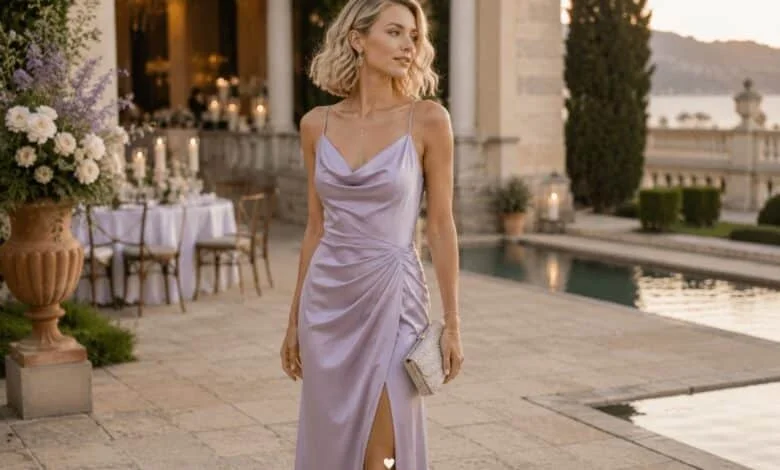
True elegance in fashion rarely stems from ornate embellishments, flashy labels, or hyper-complicated designs. More often, it emerges from a clean, understated aesthetic executed with precision. A simple dress—whether it is an unadorned black slip, a structured cotton shirt dress, a fluid column silhouette, or a neutral knit midi—acts as a blank canvas. It possesses an inherent versatility that elaborate dresses lack, allowing the wearer to adapt the garment across casual gatherings, corporate settings, and black-tie evenings.
Elevating an uncomplicated dress into a sophisticated ensemble requires deliberate styling. By focusing on tailoring, textural balance, thoughtful layering, and disciplined accessorizing, you can make an accessible, minimalist garment appear timeless and luxurious.
Prioritizing Proportion and Silhouette
The foundation of any elegant outfit is proper proportion. When a dress lacks busy patterns or heavy hardware, its structural line becomes the focal point. If the silhouette does not honor the lines of your body, no amount of styling can mask the flaw.
- Seek precise shoulder fit: On structured garments, the shoulder seam should sit directly at the edge of your natural shoulder bone. Garments that droop create a sloppy, oversized appearance, while tight seams pull uncomfortably across the chest and upper back.
- Define the waist with intention: If a dress lacks built-in shaping, use deliberate styling techniques to establish balance. A belt that complements the weight of the fabric immediately creates an hourglass effect, preventing fluid fabrics from overwhelming your frame.
- Evaluate hemline lengths: For effortless sophistication, hemlines that hit just below the knee, at the mid-calf, or grazing the top of the ankle generally present a more balanced, refined look than ultra-short lengths. Long, clean vertical lines elongate the body and convey natural poise.
- Invest in strategic alterations: An inexpensive, plain dress can instantly resemble designer work when customized to your specific measurements. Simple alterations, such as taking in the torso, shortening straps, or adjusting a hem by an inch, completely change the garment drape.
The Power of Fabric Quality and Maintenance
When an outfit is stripped of distracting ornamentation, the textile itself takes center stage. Choosing the right fabric and keeping it in immaculate condition is essential for projecting sophistication.
- Choose natural and dense textiles: Fabrics with natural weight and slight drape, such as matte silk, medium-weight linen, crisp cotton poplin, and fine merino wool, naturally signal refinement. Avoid ultra-thin, shiny polyester weaves that cling statically and wrinkle easily.
- Ensure proper fabric care: Wrinkles instantly ruin an otherwise sophisticated ensemble. Invest in a reliable garment steamer to relax creases without scorching delicate materials. Keep a lint brush handy for dark fabrics, particularly knits prone to catching dust or pet hair.
- Inspect the undergarment foundation: The undergarments you wear beneath a simple dress are just as important as the dress itself. Visible panty lines, ill-fitting bras that create bulges, and clingy static disrupt clean silhouettes. Opt for seamless, flesh-toned undergarments and lightweight slips to ensure the dress fabric glides smoothly over your body.
Curating Refined Footwear
Footwear directly dictates the tone of a dress. A simple linen midi dress paired with rubber flip-flops looks like a casual beach run, but the exact same dress paired with a pointed-toe leather mule looks polished and editorial.
- Incorporate pointed or almond toes: Footwear with a clean, elongated toe shape visually extends the leg line and creates an elevated look. Whether you select a low kitten heel, a classic pump, or flat slingbacks, an elongated toe instantly refines minimalist dresses.
- Select rich, durable leather textures: Swap synthetic leather for full-grain smooth leather, refined suede, or subtle embossed finishes like croc or lizard. These textures add depth to a plain fabric backdrop.
- Balance visual weight: Pair heavy, structured dresses with substantial shoes like block heels, structured loafers, or sleek knee-high leather boots. Conversely, pair featherweight silk or satin dresses with strappy, delicate sandals to avoid dragging down the look.
Masterful Layering and Outerwear
Outerwear should never be treated as an afterthought or a mere practical necessity. The way you layer over a basic dress fundamentally changes its personality and adds depth to a monochromatic or solid base.
- Add structure with tailored blazers: A sharp, masculine-cut blazer draped over a fluid silk slip dress creates high-impact contrast. The meeting of rigid tailoring and soft drapery is a classic formula for modern elegance.
- Drape a classic trench coat: A well-fitting trench coat in beige, olive, or deep navy instantly pulls together any minimalist day dress. For added sophistication, leave the coat open and tie the belt behind your back to pull in the waist, or belt the coat loosely over the dress.
- Utilize fine-gauge knitwear: Instead of a bulky casual cardigan, drape a lightweight cashmere crewneck or silk-blend sweater over your shoulders, tying the sleeves loosely across your chest. This adds textural interest and an air of effortless refinement.
- Incorporate a longline wool coat: In cooler months, choose a wool overcoat that matches or extends slightly past the hem of your midi dress. Maintaining a continuous vertical line creates a sleek, unbroken silhouette.
Disciplined Accessorizing
The golden rule of styling simple garments is restraint. The goal is to highlight the elegance of the cut and the wearer, rather than burying the outfit under excessive jewelry or novelty items.
- Focus on singular focal points: Select one significant focal element rather than wearing a full matching set. If you choose bold, architectural earrings, leave your neck bare. If you wear a statement necklace, pair it with minimal ear studs and a clean bracelet.
- Opt for classic metal finishes: Polished metals in warm yellow gold or clean sterling silver offer timeless versatility. Ensure that the metal tones on your belt buckles, handbag hardware, and jewelry coordinate harmoniously to create an intentional, cohesive look.
- Structure your handbag choice: Slouchy, oversized tote bags can make a dress appear overly casual and disordered. Swap them for structured leather handbags with defined edges, top-handle satchels, or minimalist clutches with clean geometric lines.
- Utilize silk scarves: A small, square silk scarf tied around the neck, woven through a ponytail, or knotted around the strap of a leather handbag injects a classic pop of pattern without overwhelming the neutral simplicity of the dress.
Perfecting Hair, Skin, and Grooming
Styling goes beyond the items in your closet. When wearing minimalist apparel, overall grooming becomes an integral part of the aesthetic. A pristine dress paired with untamed styling can look unpolished, whereas thoughtful grooming turns simplicity into high elegance.
- Choose intentional hairstyles: Sleek low buns, smooth blowouts, clean half-up twists, or natural, well-hydrated curls complement the clean lines of simple clothing. Avoid overly complex, prom-style updos in favor of styles that look modern and effortless.
- Prioritize natural, radiant makeup: Heavy, theatrical makeup often clashes with understated garments. Focus on radiant, even-toned skin, groomed eyebrows, a subtle wash of neutral eye shadow, and a defined lip in a soft nude, rose, or classic red.
- Keep nails neat and understated: Chipped or brightly neon nails can distract from a sophisticated aesthetic. Choose clean, trimmed nails polished in sheer nudes, soft pinks, rich bordeaux, or a simple buffed finish.
Frequently Asked Questions
How can I make an inexpensive jersey knit dress look expensive?
Focus on structure and silhouette control. Add a supportive, seamless undergarment layer to prevent the thin knit from clinging unflatteringly. Pair the dress with rigid, high-end accessories such as a structured leather belt, a tailored blazer, and pointed-toe leather shoes to counteract the casual stretch of the fabric.
What are the best everyday color palettes for simple, elegant dresses?
Monochromatic neutrals provide the easiest path to an elegant look. Deep navy, warm camel, chocolate brown, charcoal, olive green, cream, and classic black always appear elevated. If you prefer color, choose muted, desaturated tones such as sage, burgundy, or slate blue rather than bright neons.
Can a simple shirt dress be styled for formal evening events?
Yes, you can transform a classic shirt dress by unbuttoning the collar slightly, rolling the cuffs up the forearm, and adding a metallic or satin belt at the waist. Swap daytime leather shoes for delicate strappy metallic heels, carry a structured evening minaudiere clutch, and finish with bold statement earrings.
How do I keep a simple linen dress from looking messy after a few hours of wear?
Embrace the natural texture of linen, which is part of its charm, but minimize harsh creases by choosing heavier linen blends like linen-cotton or linen-viscose. Apply a light fabric sizing spray before pressing, and smooth the fabric flat beneath your thighs when sitting down to avoid sharp, bunched fold lines.
What jewelry scale works best with a simple, high-neck dress?
High-neck dresses provide an exceptional backdrop for structural, sculptural jewelry. Skip standard necklaces and focus instead on wide cuff bracelets worn over the wrist, bold dome rings, or elongated drop earrings that draw the eye upward toward your jawline and face.
Is it appropriate to wear flat shoes with a simple dress to a dressy event?
Yes, flat shoes can look just as elegant as heels if they have sophisticated details. Look for sleek pointed-toe d’Orsay flats, embellished satin slingbacks, or velvet velvet slippers in rich dark tones. Avoid round-toe ballet flats with elastic edges, which read as overly casual.
How do I choose the right belt width for an unbelted shift dress?
Match the belt width to the weight of the fabric and your torso length. Lightweight, fluid fabrics look best with slim belts around one-half inch to one inch in width. Heavier cottons, denims, or wools can support wide belts of two inches or more. If you have a shorter torso, stick to narrow belts to avoid cutting your body line in half.