
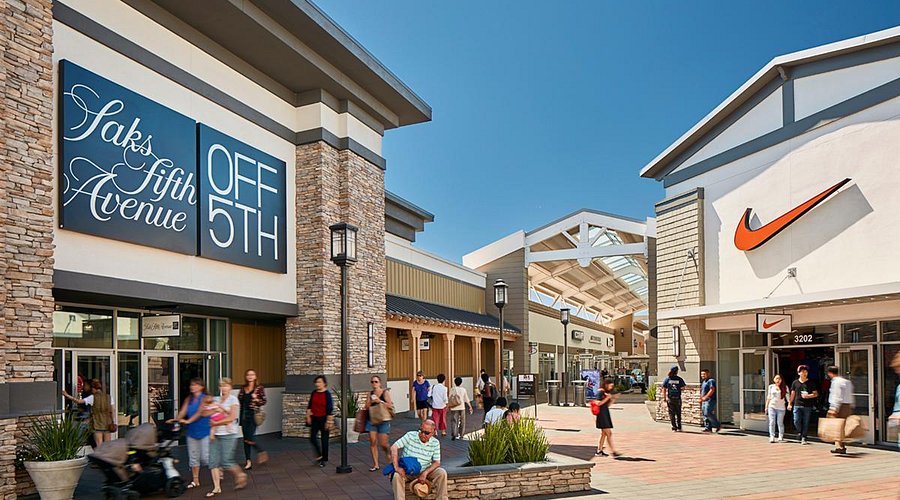
Outlet stores have evolved far beyond being mere discount destinations for excess inventory. In today’s competitive retail landscape, they have become strategic tools for brands to refine pricing models, test new collections, and experiment with sustainability-driven initiatives—all while maintaining profitability. The outlet store has quietly transitioned from a clearance hub into a sophisticated brand laboratory, shaping future retail strategies in ways that few consumers realize.
The Strategic Shift Behind Modern Outlet Stores
Outlet stores were once synonymous with last season’s stock or manufacturing overruns. Today, however, they serve as multi-purpose brand extensions that generate insights into shopper behavior, regional trends, and product performance.
Luxury and mid-tier brands alike—ranging from athletic apparel giants to high-end fashion houses—are using their outlet networks to gather real-time data and strengthen brand presence in regions where full-price stores may not be feasible.
Key Drivers Behind This Transformation
-
Consumer Data Access: Outlet stores provide a direct channel to collect behavioral data from value-oriented consumers who may differ from flagship store visitors.
-
Profit Optimization: Instead of heavy discounting online, brands control markdowns and manage inventory more strategically through outlets.
-
Market Expansion: Outlets enable brands to enter new geographies with lower overhead and reduced brand risk.
Outlet Stores as Real-World Testing Environments
The outlet ecosystem provides an ideal testing ground for brands to pilot new ideas before scaling them to global markets.
1. Product Concept Validation
Many leading retailers now design outlet-exclusive collections, not just to fill racks but to test fabric durability, design preferences, and regional style variations. For example, a sportswear brand might trial new materials that promise performance enhancement, using outlet sales feedback to decide whether the innovation merits rollout to flagship stores.
2. Dynamic Pricing Experiments
Unlike traditional stores, outlet locations are flexible in pricing experimentation. Retailers can test markdown elasticity, bundled promotions, or limited-time discounts to measure consumer response to price sensitivity. The resulting data informs future full-price pricing strategies—ensuring optimal balance between perceived value and profit margins.
3. Sustainability Pilots
As sustainability becomes a retail imperative, outlet stores serve as controlled environments to test sustainable packaging, recycled fabrics, and circular economy initiatives. A brand might introduce a “take-back” program or a line made from production waste exclusively at outlet locations to gauge acceptance before wider implementation.
The Psychological Advantage: How Outlet Stores Influence Perception
Outlet shopping is not just about saving money—it taps into powerful psychological triggers that influence purchasing decisions.
The Thrill of the Hunt
The treasure-hunt experience remains one of the most compelling reasons consumers visit outlets. The perception of “limited availability” and exclusive access to deals drives higher engagement and unplanned purchases.
Value Signaling and Brand Attachment
Many consumers use outlet shopping to connect with brands they admire but might not afford at full price. This dynamic fosters brand loyalty that can later convert into full-price purchases, especially as incomes grow.
The Endowment Effect
Once consumers experience a brand through an outlet purchase—feeling the quality, fit, and performance—they develop a sense of ownership that strengthens brand attachment, often leading to repeat buying behavior.
Outlet-Specific Product Lines: A New Era of Design
One of the most misunderstood aspects of outlet retail is the creation of outlet-exclusive merchandise. These are not simply lower-quality versions of mainline products but are often engineered for value optimization.
What Makes Outlet Products Different
-
Cost-Engineered Design: Simplified construction or fewer embellishments without compromising core functionality.
-
Material Substitution: Use of alternate materials that reduce costs while retaining similar tactile and aesthetic appeal.
-
Supply Chain Efficiency: Streamlined manufacturing processes that enable higher volume at lower cost without brand dilution.
These strategies allow brands to maintain profit margins even on discounted products, reinforcing the outlet model as a financially viable component of the retail ecosystem.
Outlet Stores in the Digital Era
Contrary to the belief that outlet stores would fade with e-commerce, they are thriving in the omnichannel retail era.
Integration with Online Platforms
Brands are connecting their digital outlet stores with physical outlets to create hybrid experiences—where shoppers can reserve online and pick up in-store, or access outlet-exclusive promotions digitally.
Data-Driven Decision Making
Retailers now use AI-driven analytics from outlet performance data to forecast demand, manage inventory, and optimize staffing. The outlet model is increasingly powered by predictive intelligence, transforming what was once reactive discounting into proactive strategy.
Social Media and Outlet Marketing
Social platforms have amplified outlet visibility. Influencers frequently promote “hidden finds” or “limited drops”, creating a new wave of social proof that drives traffic to outlet centers.
The Sustainability Imperative and Circular Retail
Outlet stores are becoming crucial allies in reducing retail waste. Instead of sending unsold items to liquidation or destruction, brands redirect them through controlled outlet channels where they retain value and visibility.
Circularity in Action
Some brands now integrate upcycled collections or refurbished product sections into their outlet stores, allowing customers to participate in sustainable consumption without compromising on price or quality. This approach aligns with the growing consumer demand for ethical retail experiences.
Educating the Conscious Consumer
Outlets are increasingly used to educate customers about sustainability initiatives through in-store signage, workshops, or eco-friendly product labeling. This builds a stronger emotional connection between consumers and the brand’s environmental mission.
Future Outlook: The Evolution of the Outlet Ecosystem
The next decade will see outlet stores evolving into immersive retail ecosystems blending experience, data, and sustainability.
Key Trends to Watch
-
AI-Powered Personalization: Outlets offering personalized promotions based on previous purchase patterns.
-
Micro-Experiential Zones: Spaces where consumers can test, customize, or repair products on-site.
-
Sustainability Certifications: Outlets highlighting products that meet verified eco-standards.
-
Hybrid Outlets: Combining clearance, exclusive collections, and community-driven events to boost footfall.
In essence, outlet stores are transitioning from their discount-centric past into a core innovation channel that fuels both profit and brand evolution.
FAQs
1. Are all outlet products lower quality than full-price items?
Not necessarily. Many outlet collections are designed with cost efficiency in mind but maintain brand standards in durability and design.
2. How do brands use outlet stores for research and development?
Brands analyze outlet sales data, feedback, and demographic insights to test new materials, pricing strategies, and sustainability initiatives.
3. Can outlet stores support a brand’s sustainability goals?
Yes. Outlets help reduce waste by repurposing unsold inventory and testing circular economy models like recycling or upcycling.
4. Why are outlet stores often located outside city centers?
Lower real estate costs and larger available spaces make suburban or exurban areas ideal for outlet complexes, improving profitability.
5. How does outlet performance impact full-price retail?
Insights gained from outlet sales—such as popular colors, fits, or pricing—inform decisions for future full-price collections.
6. Are outlet shoppers considered different from flagship customers?
Typically, outlet shoppers are value-conscious but brand-loyal, offering brands access to a wider audience segment without diluting prestige.
7. What’s the biggest future challenge for outlet stores?
Balancing the perception of exclusivity while maintaining discount-driven appeal will be crucial as outlets evolve into experience-based retail hubs.