

How to Spot a Fake Online Store Before You Buy
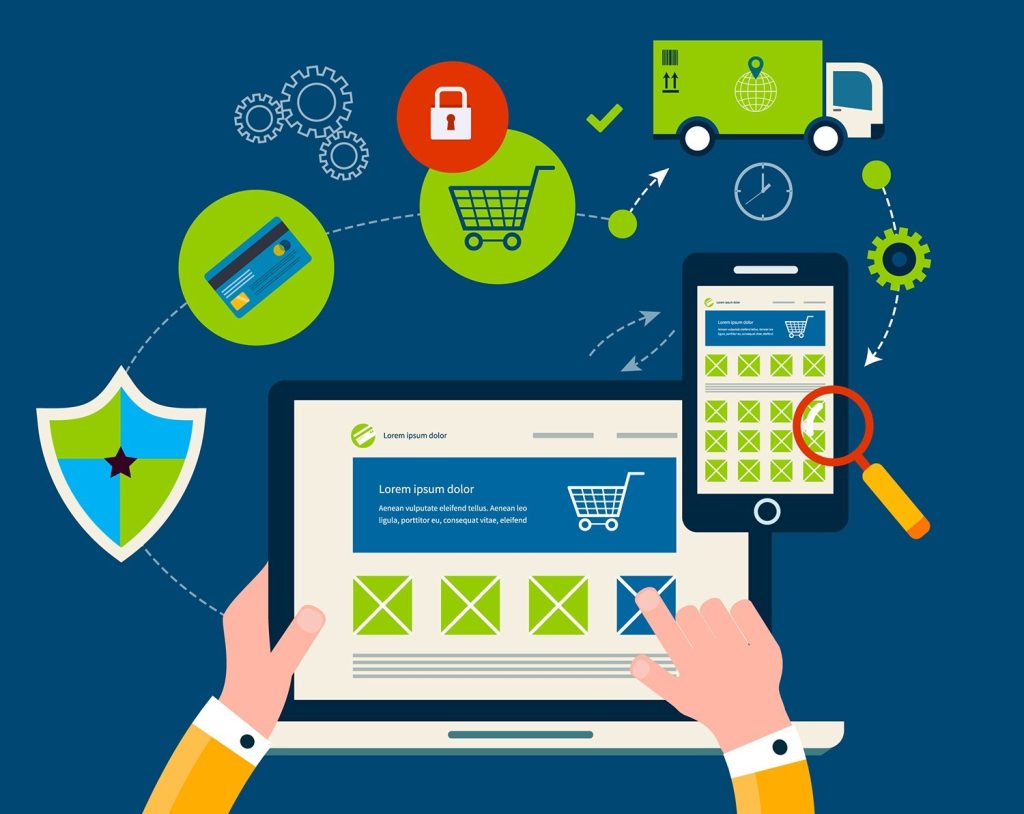
Shopping online is convenient, but it also opens the door to fraudulent websites designed to steal money or personal information. Knowing how to evaluate an online store before purchasing can protect you from scams and identity theft. Below are practical, reliable methods to help you recognize suspicious sites quickly.
Shopping from an Online Cigar Store provides access to exclusive blends and competitive pricing. Detailed product descriptions and reviews help cigar enthusiasts make informed choices tailored to their taste preferences.
Check the Website’s Domain and URL
Look for Unusual Domain Extensions
Legitimate businesses commonly use domains like .com, .net, or local country domains. Fraudulent stores often rely on uncommon extensions or odd combinations to mimic real brands.
Examine for Spelling Errors in the URL
Small changes—like amaz0n instead of amazon—are classic signs of phishing. Always double-check before entering any payment details.
Analyze Website Design and Content Quality
Poor Grammar and Low-Quality Images
Scam sites frequently copy content or use machine-generated text, resulting in awkward grammar, spelling mistakes, and inconsistent branding.
Unclear Product Descriptions
If product pages feel generic or lack specific details, you may be viewing a hastily assembled fraudulent storefront.
Inspect Contact Information and Customer Support
Verify Physical Address and Phone Number
A real business provides verifiable contact details. Search the address on maps or call the phone number to see if it connects to a genuine company.
Check for Live Chat or Customer Service Availability
Fraudulent stores often list non-functioning chat features or respond with automated, irrelevant messages.
Look for Secure Payment Indicators
HTTPS Is Necessary but Not Sufficient
While a secure padlock icon is important, scammers can obtain SSL certificates too. Treat HTTPS as a minimum requirement, not proof of safety.
Limited or Unusual Payment Methods
Be cautious if the site only accepts:
- Cryptocurrency
- Wire transfers
- Gift cards
These payment types are nearly impossible to reverse.
Research Reviews and Online Reputation
Search Beyond the Website
Look up the store name, brand, or URL on search engines. Trusted review platforms and forums often reveal patterns of complaints.
Avoid Trusting Reviews on the Website Itself
Fake stores frequently use fabricated testimonials or AI-generated reviews.
Examine Return, Refund, and Shipping Policies
Vague or Overly Complicated Policies
Real businesses provide clear, customer-friendly terms. Scammers often rely on confusing wording to avoid refunds.
Unrealistic Delivery Promises
Promises like “Guaranteed 24-hour delivery worldwide” without logistic partners listed are major red flags.
Assess Pricing and Promotions
Deals That Are Too Good to Be True
Extremely low prices for high-demand products often indicate fraud. Compare prices with reputable retailers to gauge realism.
Flash Sales With Countdown Timers
Scam sites use urgency tricks to push buyers into quick purchases without checking legitimacy.
Check the Website Age and Ownership
Use a Domain Lookup Tool
If a store claiming to be “established since 2008” has a domain created last month, it’s likely a scam.
Hidden Ownership Details
Legitimate businesses rarely hide their domain registration details completely.
FAQs
1. Does having a secure HTTPS connection mean a website is legitimate?
No. HTTPS only ensures encrypted communication. Many fake stores also use HTTPS to appear trustworthy.
2. Are social media ads reliable indicators of a real store?
Not always. Scammers frequently advertise through social platforms because the ads are easy and inexpensive to run.
3. What should I do if I already made a purchase from a suspicious store?
Contact your bank immediately, report the transaction, and request a chargeback if possible. Change any passwords you used during checkout.
4. Is a lack of customer reviews always a red flag?
Not necessarily, but for new or unknown stores, it should encourage closer scrutiny before purchasing.
5. How can I verify if product photos are stolen?
Use reverse image search tools. If the images appear across many unrelated sites, the store may not be legitimate.
6. Why do fake stores often copy well-known brands?
Brand impersonation builds false trust and persuades shoppers to overlook red flags.
7. Are marketplace sellers (e.g., on Amazon or eBay) safer than standalone stores?
Marketplaces offer buyer protection policies, but scams can still occur. Always check seller ratings and customer feedback.
 Online Shopping Hacks Every College Student Should Know
  How Mobile Apps Are Revolutionizing Online Shopping
  How Social Media Influences Online Shopping Habits
  Starting Strong: How to Profit from Opening a Tire Shop in Today’s Auto Service Market
  The Best Florists for High-Quality Flower Gifts
  The Best Flowers for Engagement Gifts: A Blooming Symbol of Love
  The Best Online Fashion Stores for Trendsetters